
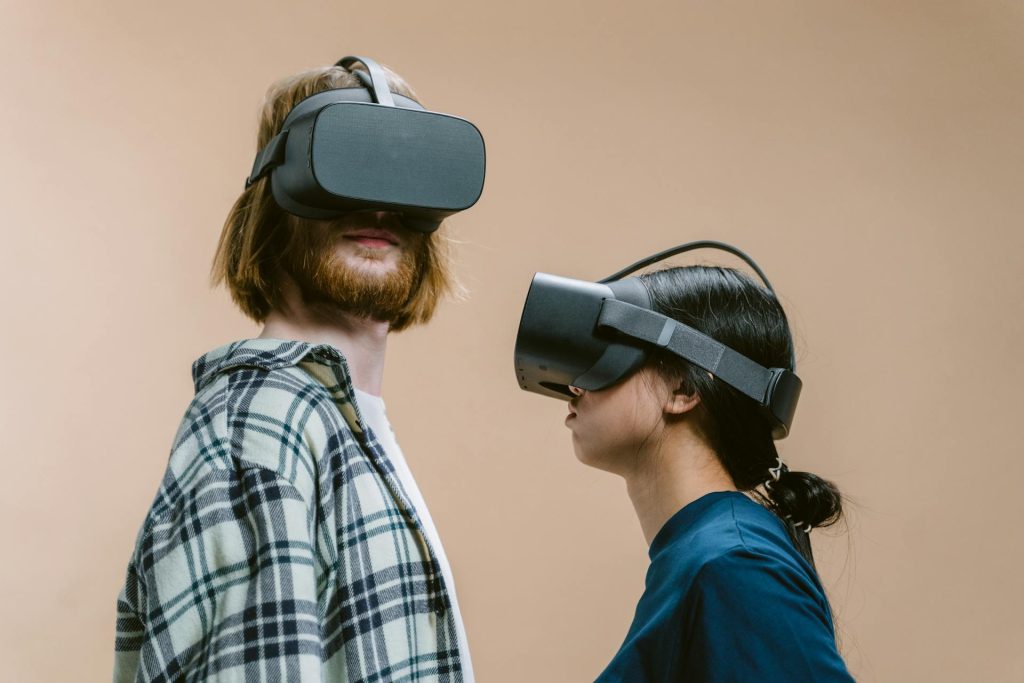
Virtual reality (VR) is no longer just a futuristic concept—it’s rapidly becoming a part of how we experience entertainment. From gaming and movies to live concerts and theme park attractions, VR offers immersive experiences that traditional media simply can’t match. The technology creates a sense of presence, allowing users to step inside digital worlds and interact with them as if they were real. As VR headsets become more affordable and content more sophisticated, this technology is poised to transform the entertainment landscape. Whether you’re a casual gamer, a movie lover, or someone who enjoys unique experiences, VR promises to make entertainment more interactive, engaging, and personal than ever before.
VR Gaming: A Whole New Level of Interaction
 Gaming is where VR has made its biggest splash. Unlike traditional consoles or PC games, VR immerses players in three-dimensional worlds where they can look around, move, and interact naturally. Games like VR shooters, adventure quests, and puzzle-solving experiences place players directly inside the action. The appeal lies in the interactivity. Instead of watching a character on a screen, you become the character. This level of engagement creates a more intense emotional experience, making victories feel more satisfying and challenges more thrilling.
VR Cinematic Experiences
Virtual reality is also changing how we watch movies. Filmmakers are experimenting with VR storytelling, giving viewers the ability to explore a scene from multiple angles and become part of the narrative. Instead of sitting passively, audiences can move around, follow characters, or investigate environments. This immersive approach can enhance empathy and emotional connection, as viewers experience events firsthand. While still an emerging field, VR cinema has the potential to redefine storytelling and push the boundaries of traditional filmmaking.
Live Events in VR
Concerts, sports, and theater performances are also benefiting from VR technology. Fans who can’t attend in person can enjoy live events from their living rooms, complete with a 360-degree view and the sensation of being “on site.” VR allows people to feel like they are part of the crowd, cheering alongside others, or even exploring backstage areas. This accessibility expands entertainment beyond geographical limits and offers new ways for performers to engage with audiences, creating interactive experiences that were previously impossible.
Social VR: Connecting Through Immersion
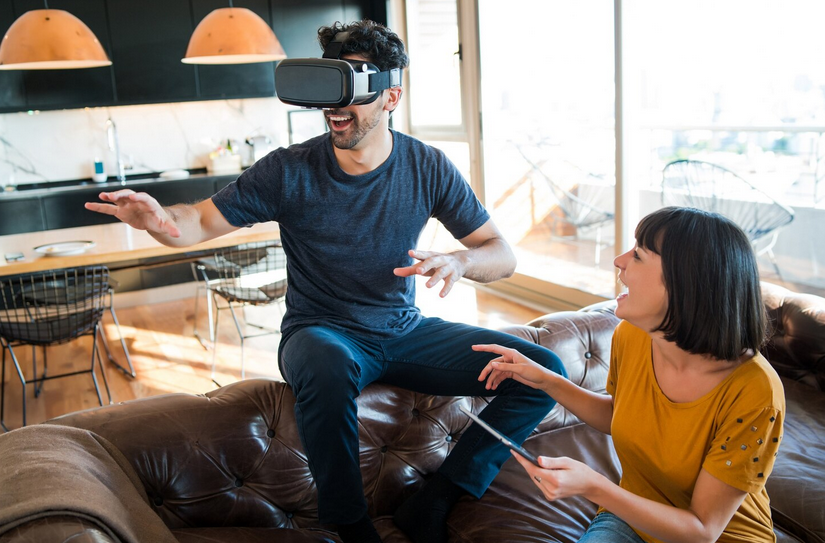
VR isn’t just about solo experiences—it’s also changing how we socialize. Platforms like VR chat rooms and multiplayer games allow people to interact in shared virtual spaces, regardless of physical location. You can attend virtual parties, explore digital worlds with friends, or collaborate on creative projects. This social aspect makes entertainment more interactive and connected. Virtual spaces provide a sense of presence that traditional video calls or social media platforms can’t replicate, creating meaningful interactions in immersive environments.
VR Theme Parks and Attractions
Theme parks and amusement attractions are embracing VR to enhance rides and exhibits. Roller coasters now integrate VR headsets to transport riders to fantastical worlds, while interactive exhibits let visitors manipulate digital objects or embark on virtual adventures. By blending physical motion with virtual visuals, these attractions offer multi-sensory experiences that make visitors feel fully immersed in another world. This hybrid approach is revolutionizing how we think about entertainment in public spaces.
Education and VR Entertainment
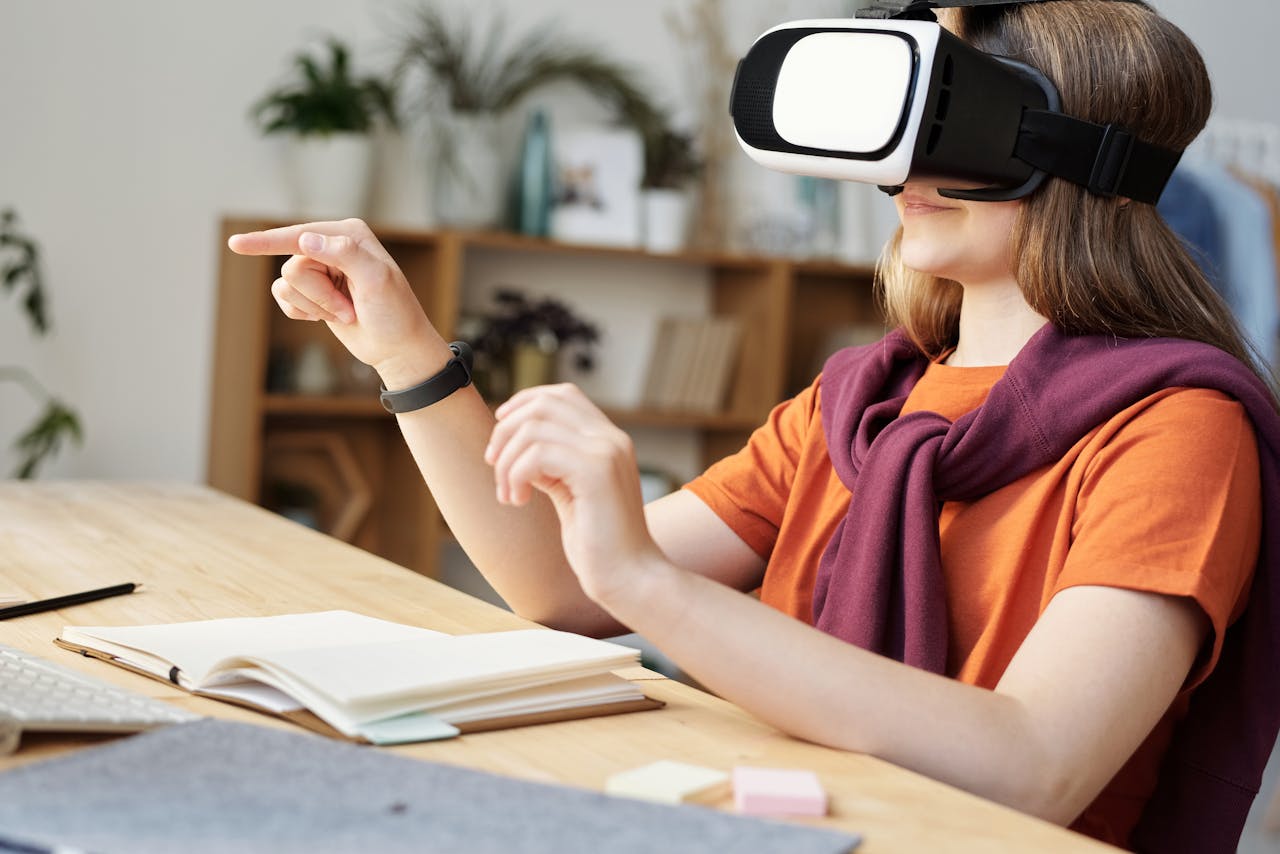
VR is also merging education with entertainment, creating “edutainment” experiences. Museums, science centers, and historical sites are developing VR exhibits that make learning engaging and interactive. Users can explore ancient civilizations, dive under the ocean, or walk through space stations—all in stunning detail. These experiences demonstrate that VR can be entertaining while providing educational value, making it a versatile tool for both fun and learning.
The Future of VR Entertainment
The potential of VR is only beginning to be realized. As technology improves, VR headsets will become more comfortable, graphics more realistic, and content more diverse. We can expect increasingly sophisticated experiences that combine gaming, cinema, live events, social interaction, and education in seamless ways. VR may also integrate with augmented reality (AR) and artificial intelligence to create even more personalized and responsive experiences, blurring the line between the virtual and real world.
Virtual reality is transforming entertainment by offering immersive experiences that go far beyond traditional media. From gaming and movies to live events, theme park attractions, and social platforms, VR allows users to step inside digital worlds and interact with them in new ways.…